A True Commitment To Environmental Protection

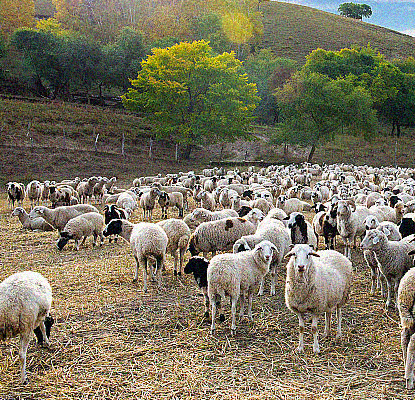
Sheep and goat farming in Inner Mongolia have increased substantially in recent decades and this has led to widespread degradation of the grasslands that make up 67% of Inner Mongolia’s land area.

This degradation has not only affected cashmere farms, but has also had a significant ecological and environmental impact, such as an increase of desertification and a decrease in biodiversity.

Consinee Group has continually insisted on optimizing and preserving the grassland ecological environment in the four key farming regions of Inner Mongolia, monitoring strict control of herd sizes to prevent over grazing and promote grazing rotation.
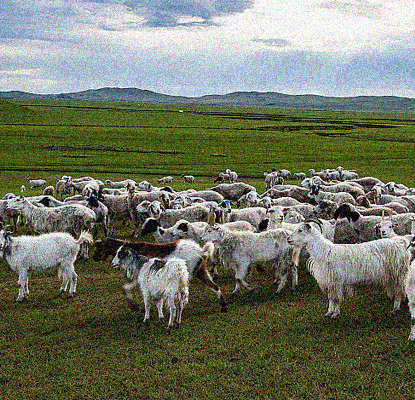
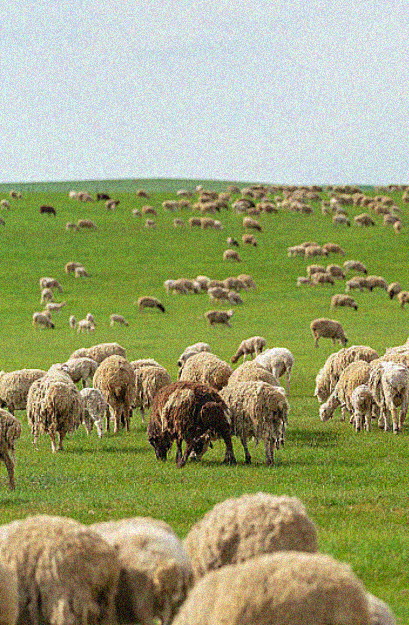
Sustainable Farming Practices

Overgrazing can lead to irrevocable and irreversible damage to the environment.

By encouraging sustainable farming practices and promoting the uptake of sustainably produced cashmere we aim to help farmers in Inner Mongolia secure animal welfare and protect the region in which they live and work.

Sustainability
Greener Cashmere
Greener Cashmere
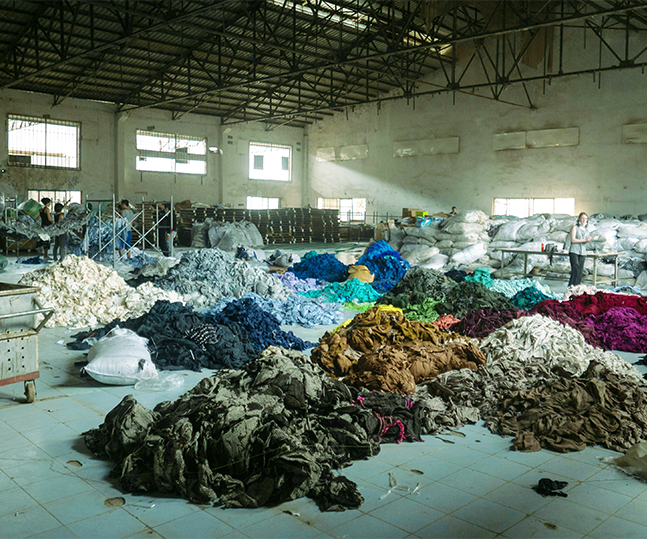
Consinee crafts low-carbon cashmere, reducing carbon footprints by 16.45% since 2016, ensuring luxury and sustainability for your wardrobe. Discover a greener future in cashmere.
Discover More
Botanica Cashmere
Botanica Cashmere
By Choosing Consinee's Aturally Dyed Cashmere Products, You Can Enjoy The Unparalleled Softness And Warmth Of This Exquisite Fiber While Supporting A More Sustainable And Ethical Textile Industry.
Discover More
Animal Welfare
Animal Welfare
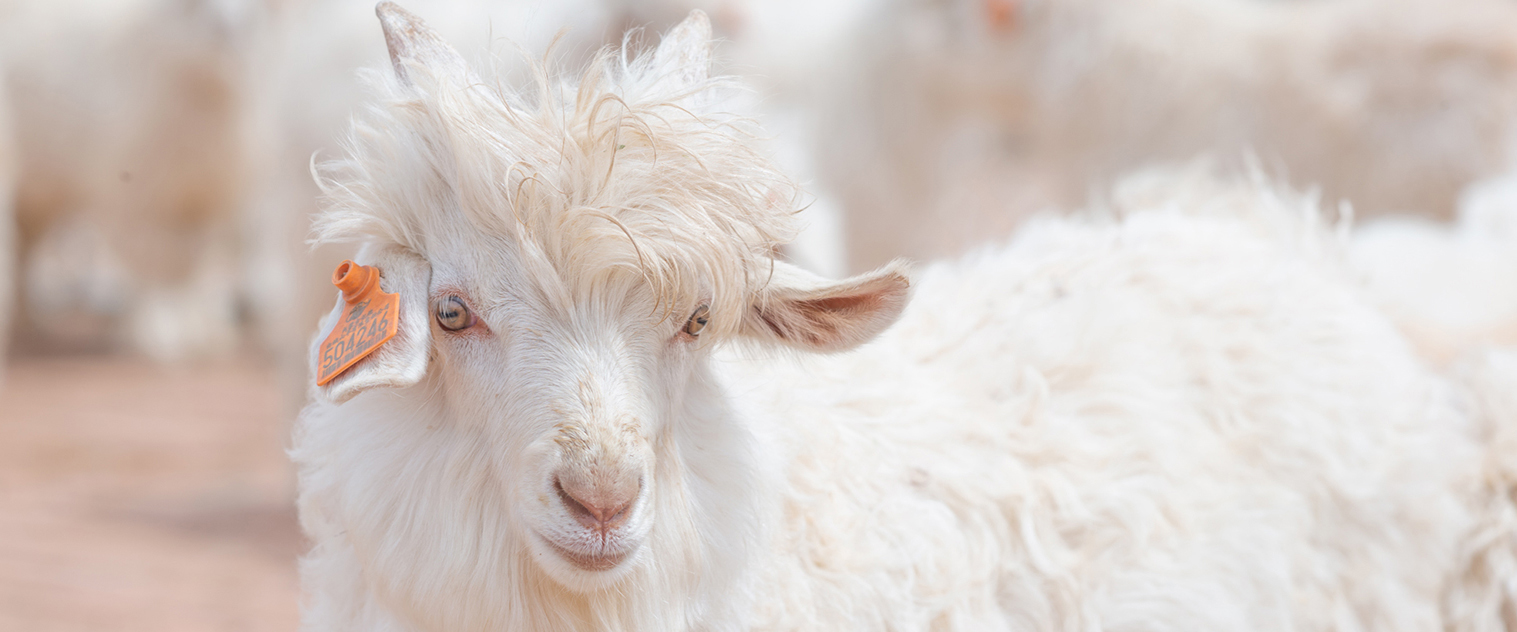
Animal welfare is our number one priority and we have a clear code of practice for cashmere goat protection. This is enforced through creating standards that we insist herders follow from breeding, shearing, feeding, transportation and general health and welfare of the goat.
Discover More
Social Responsibility
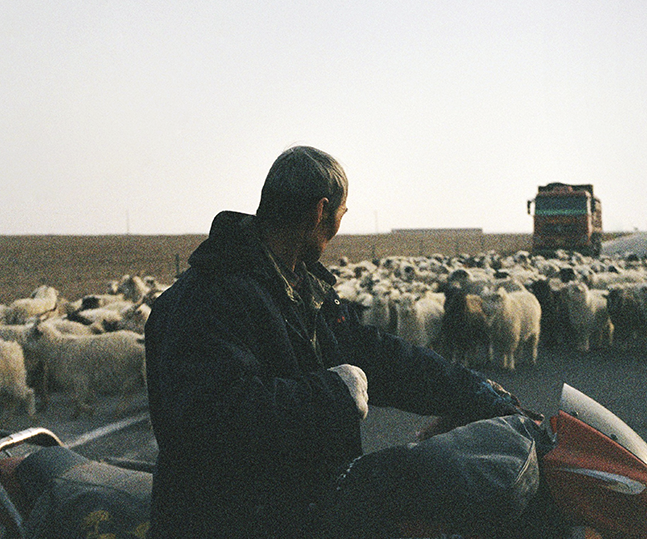
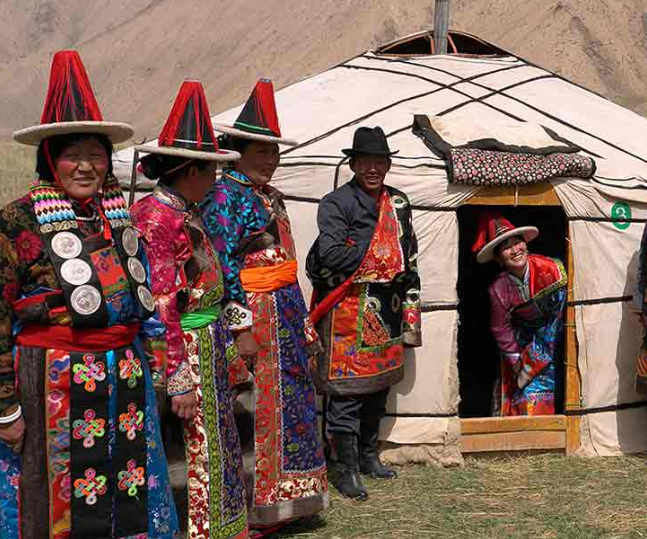
Farmers must ensure that persons who work with goats are trained and competent enough to do so. Additionally, it requires that goat farming activities protect the land and do not cause pollution with farmers co-existing with wildlife and not negatively impact biodiversity on and around the areas they manage.
Discover More